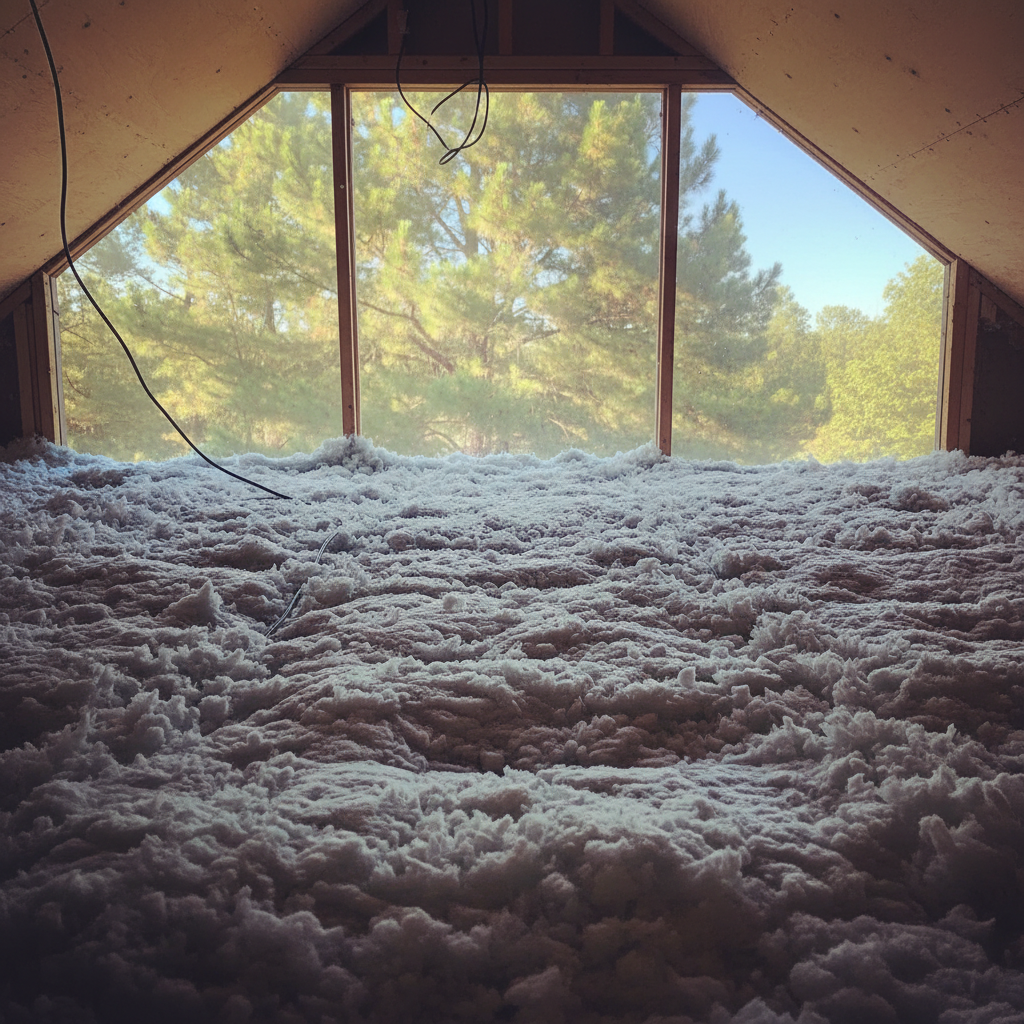
So, you've got blown-in insulation in your attic, maybe your walls, or even the crawl space. Good call! It's a fantastic way to seal up your home and keep those heating and cooling costs from going through the roof, especially with our wild temperature swings here in Flagstaff. But here's the thing: while it's pretty low-maintenance, "no maintenance" isn't really a thing if you want it to last and perform its best. You've got to give it a little love, you know?
Extending the Life of Your Blown-In Insulation
The biggest enemy of blown-in insulation, whether it's cellulose or fiberglass, is moisture. Full stop. Our dry Flagstaff air is usually a friend, but leaks happen. A leaky roof, a plumbing issue, or even just condensation from poor ventilation can turn your fluffy insulation into a soggy, matted mess. When that happens, it loses its R-value, big time. So, first things first, keep your roof in good shape. Check for missing shingles after a windy day, especially if you're up on the north side of town where those gusts really hit hard. Make sure your gutters are clear so water isn't backing up and finding its way into your eaves. If you've got an attic, make sure your bathroom exhaust fans vent outside, not just into the attic space. That moist air needs to go somewhere else, right?
Another thing? Don't compress it. Blown-in insulation works by trapping air, and if you squish it down, you're squeezing out that air, reducing its effectiveness. If you're up in the attic for any reason – running a new wire, checking a vent – be careful where you step. Try to use attic decking or temporary boards to distribute your weight. Don't just walk all over the insulation. It's not a trampoline, after all.
Regular Maintenance: What to Look For
You don't need to be up in your attic every weekend, but a quick check once or twice a year can save you a lot of headaches and money. I usually tell folks to do it when the seasons change – maybe late spring after the snow melts, and then again in the fall before it gets really cold.
- Visual Inspection: Look for any areas where the insulation looks matted down, discolored, or uneven. Are there any dark spots on the ceiling below that might indicate a leak?
- Pest Activity: Critters love a warm, quiet attic. Mice, rats, squirrels, even birds can nest in insulation, compacting it and leaving droppings. Look for tunnels, droppings, or disturbed areas. If you've got an older home in an area like the Southside, you know how persistent those little guys can be.
- Air Leaks: Can you feel drafts coming from recessed lights, attic hatches, or around plumbing stacks? These are spots where conditioned air is escaping, and it means your insulation isn't doing its full job. You might need to air seal these areas with caulk or foam.
- Ventilation: Make sure your soffit vents aren't blocked by insulation. You need that airflow from the eaves up to your ridge vent to prevent heat and moisture buildup.
Warning Signs of Problems
Here are some red flags that tell you something's not right with your blown-in insulation:
- Spike in Energy Bills: If your heating or cooling costs suddenly jump without a change in usage or weather, your insulation might be compromised.
- Uneven Temperatures: Are some rooms noticeably colder or hotter than others, even with the thermostat set? That's a classic sign of insulation issues.
- Drafts: Feeling drafts even when windows and doors are closed? Could be air leaks in your attic or walls that your insulation isn't stopping.
- Pest Noises: Hearing scratching or scurrying in your walls or ceiling? You've got uninvited guests making a home in your insulation.
- Visible Damage: Water stains on your ceiling, sagging drywall, or visible mold growth are all serious indicators that you have a moisture problem affecting your insulation.
When to Call a Professional
Look, some things you can handle yourself, like clearing a blocked soffit vent or sealing a small air leak. But there are times when you really need to bring in the pros. If you see any signs of extensive water damage, mold, or a significant pest infestation, don't try to tackle it yourself. Mold can be a health hazard, and pests can carry diseases and cause structural damage. You'll need to remove the damaged insulation, address the source of the problem, and then re-insulate.
Also, if you're noticing those high energy bills and uneven temperatures, but can't pinpoint the issue, it's worth getting an expert opinion. We can do an energy audit, sometimes with thermal imaging, to find exactly where your home is losing heat or gaining it. Sometimes, it's just a matter of adding more insulation to bring it up to modern R-value standards. We do a lot of that here at Flagstaff Spray Foam Insulation, and even though our name is spray foam, we know a thing or two about all kinds of insulation, including blown-in. We can assess the situation, tell you what's going on, and give you solid advice on the best way to fix it.
Don't let a small problem turn into a big, expensive one. A little proactive care for your blown-in insulation will keep your home comfortable and efficient for years to come.