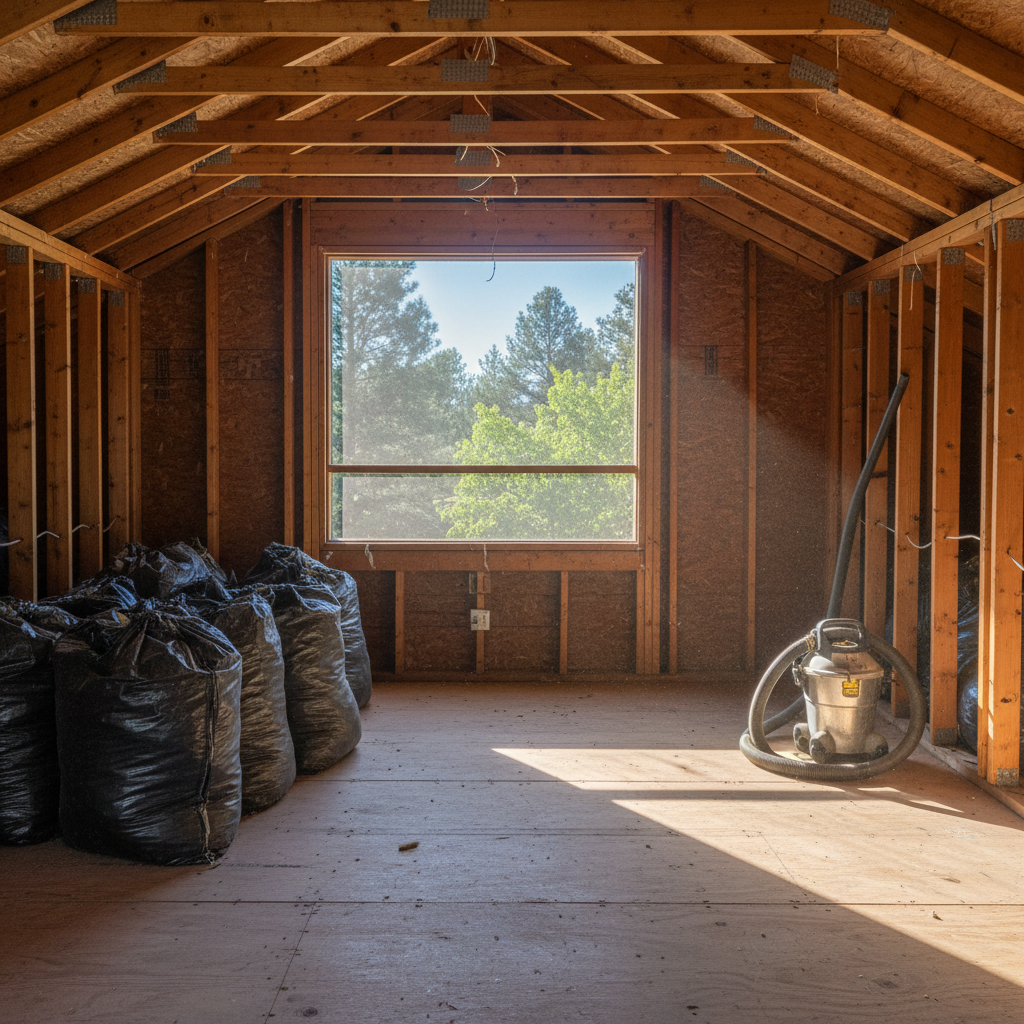
So, you've finally decided it's time to rip out that old, gross insulation, huh? Maybe water got to it, or critters made a home there, or it's just plain old and not doing its job anymore. Whatever the reason, yanking out insulation isn't something you should just dive into without a plan. It takes some thought, and as a Flagstaff homeowner, you've got a few unique things to keep in mind. Here's what I usually tell folks when they're getting ready for this kind of project.
Project Timeline: What to Expect
Let's talk about how long this all takes. It's not usually a super long process, but don't expect a quick fix either. From your very first call to a contractor until the final cleanup, you're probably looking at a few weeks, maybe even a month. It really depends on how busy everyone is and, of course, the size of your job.
- First Contact & Assessment (1-3 days): You'll probably call a few places, like Flagstaff Spray Foam Insulation, to get some quotes. We'll swing by, check out your attic, crawl space, or walls, and figure out what needs to go. This usually means a visual check and maybe some measurements.
- Quote & Scheduling (3-7 days): Once you've got your quotes, you'll pick a contractor. Then you'll get on their schedule. Good contractors often have a week or two booked up, especially during busy seasons when everyone's thinking about their home's comfort.
- The Removal Day(s) (1-3 days): This is the big day. For most residential attics or crawl spaces, the actual removal can often be done in just one day. Bigger homes, places with really stubborn or widespread contamination, or jobs that involve wall cavities might take two or even three days.
- Cleanup & Post-Removal (Same day as removal): A good crew cleans up as they go, and they'll do a final sweep. You shouldn't be left with a mess when they're done.
Don't forget to factor in Flagstaff's weather, too. We generally don't schedule outside work during a blizzard, for pretty obvious reasons. If your attic access is outside, or if we need to run hoses across your yard, a heavy snow day could definitely push things back a bit.
What Happens During Insulation Removal?
Okay, so what exactly goes down when we're pulling out insulation? It's not just some guy with a rake, believe me. It's actually a pretty specialized process designed to keep your home clean and safe.
- Setting Up Containment: First, we'll seal off the work area. That means putting down tarps, sealing doorways with plastic sheeting and zippers, and sometimes even setting up negative air pressure machines. The whole point is to keep all the dust, debris, and any potential allergens from floating through your living space.
- The Vacuum System: We use powerful, industrial-grade insulation vacuums. These aren't your average shop vacs, not by a long shot. They're big machines, often parked outside, with long, wide hoses that run into your attic or crawl space. The old insulation gets sucked up through these hoses and directly into large collection bags, usually outside the house. This really cuts down on airborne particles inside.
- Manual Removal (if needed): Sometimes, especially with old batts that are stuck or spray foam that needs to be scraped, there's some manual work involved. But most of the loose-fill insulation, like cellulose or fiberglass, gets vacuumed right out.
- Sanitation & Deodorization: If you've had rodent problems or water damage, after the insulation is gone, we can often treat the area with a sanitizer and deodorizer. This kills bacteria and helps get rid of any lingering smells.
- Final Inspection & Cleanup: Once everything's out, we do a thorough visual inspection to make sure we got it all. Then, we clean up our equipment and any stray debris.
How to Prepare Your Home
You don't need to do a ton, but a little prep on your end helps things go smoothly.
- Clear the Path: Make sure the access point to your attic or crawl space is clear. Move any furniture or boxes that might be in the way.
- Protect Valuables: While we take precautions, it's always a good idea to cover or move any really valuable or sentimental items near the work area, just in case.
- Turn Off HVAC: On the day of removal, we'll usually ask you to turn off your HVAC system. This helps prevent any dust from getting sucked into your ductwork.
- Pet & Kid Safety: Keep pets and kids away from the work area. It's noisy, dusty, and there will be hoses running through your house. Maybe plan a trip to Buffalo Park or the Arboretum for the day, eh?
- Communicate: If you have any specific concerns or areas you want us to pay extra attention to, please let us know beforehand.
Questions to Ask Before You Sign
Don't just pick the cheapest bid, seriously. Ask these questions to make sure you're hiring a pro who really knows their stuff.
- What kind of vacuum system do you use? You want to hear about powerful, dedicated insulation vacuums, not just a regular shop vac.
- How do you contain the dust and debris? They should describe sealing off areas, using plastic sheeting, and possibly negative air pressure.
- What's your plan for disposal? Old insulation needs to be bagged and disposed of properly, not just tossed in your residential trash can.
- Are you licensed and insured for this type of work in Arizona? This is non-negotiable. You want a contractor who's covered.
- Do you offer any sanitation or deodorization services after removal? This is especially important if you've had pests.
- What's the estimated time for completion, and what's your cleanup process? Get clear expectations on how long it will take and what the house will look like when they leave.
Getting rid of old insulation is a big step towards a healthier, more efficient home here in Flagstaff. Do your homework, ask the right questions, and you'll be set up for success.