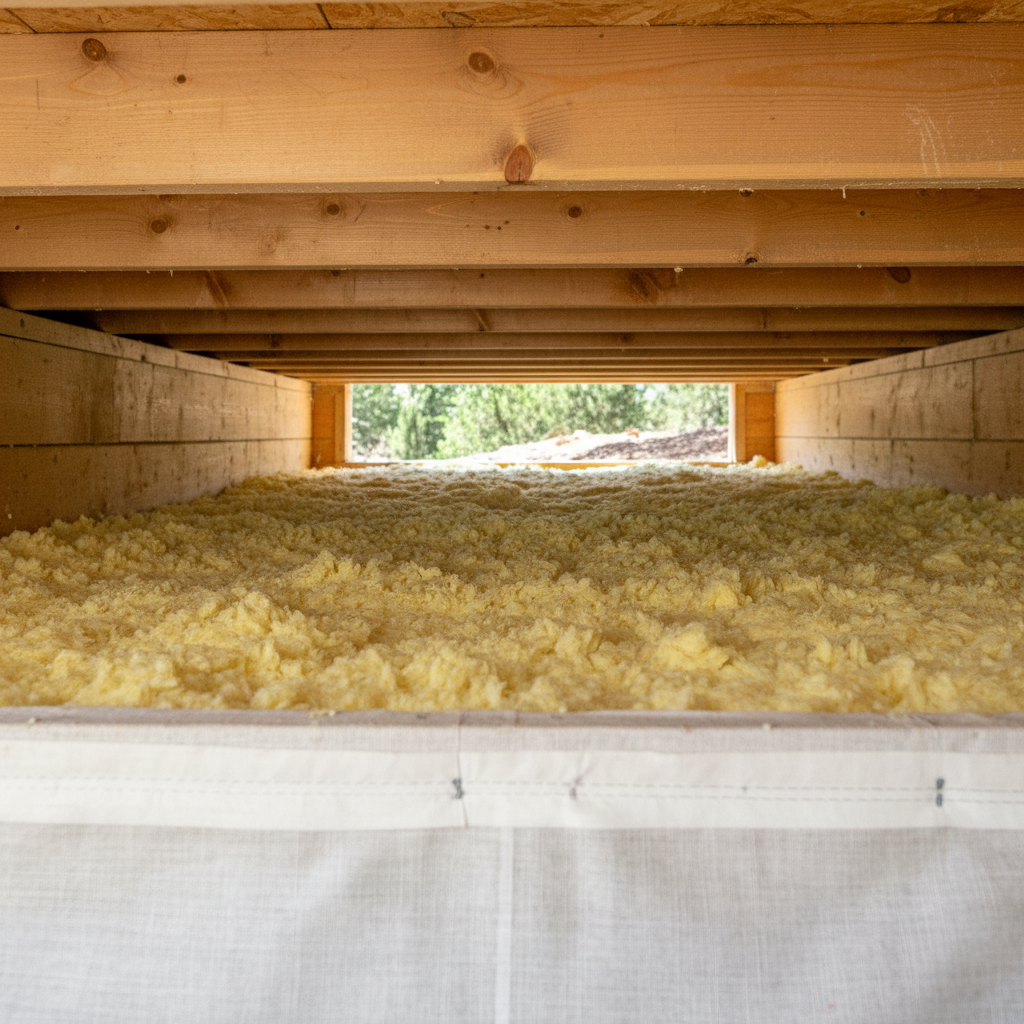
Your Crawl Space: Why Even Bother Insulating It?
Let's be real, nobody wants to spend time in their crawl space. It's usually dark, dirty, and definitely not where you'd throw a party. But if you've got one under your Flagstaff home, it's actually a super important part of your house's energy system. Just think about it: that cold air blasting under your floorboards in January, or the dampness creeping up during monsoon season. That's your crawl space trying to tell you something.
Insulating your crawl space isn't just about feeling a bit cozier. It's really about cutting down those heating and cooling bills, stopping moisture problems that can lead to mold and rot, and generally making your whole house feel a lot more comfortable. I've seen countless homes in places like Cheshire or Fort Tuthill where a properly insulated crawl space made a huge difference for the folks living there.
Before You Even Think About Insulation
Alright, before you even grab a single roll of insulation, you've got some prep work to do. This isn't optional; it's absolutely essential. Skip these steps, and you're basically just throwing good money away.
- Check for Leaks: Water is insulation's worst enemy. Full stop. Go down there with a flashlight after a good rainstorm or when your sprinklers have been running. Look for any standing water, damp spots, or water stains on the foundation walls or floor joists. You need to fix these first. Seriously, don't insulate over a leak.
- Seal Air Leaks: This is a big one. Even the best insulation won't do much good if cold air is just blowing right through gaps. Look for any spots where pipes, wires, or ducts go through the foundation walls or rim joists. Use a good quality caulk or expanding foam sealant (like Great Stuff) to seal these up tight. Oh, and don't forget around the crawl space access door too.
- Address Pests: Critters just love crawl spaces, don't they? Check for any signs of rodents, insects, or other unwanted guests. If you find any, you absolutely need to deal with them before you start insulating. You don't want to trap them in there, and they can really mess up your new insulation.
- Clean It Out: Get rid of any debris, old insulation, or anything else that doesn't belong. You really need a clean, dry surface to work with. If there's old, wet, or moldy insulation down there, it has to come out. That's a job where you might want to call someone like Flagstaff Spray Foam Insulation to handle the removal safely, especially if mold is an issue.
DIY Crawl Space Insulation: What You Can Tackle
For the average homeowner, there are a couple of insulation types you can realistically install yourself in a crawl space, assuming it's dry and you can actually get to it.
1. Rigid Foam Boards (Foundation Walls)
If you're insulating the foundation walls of an encapsulated crawl space (meaning the floor above is uninsulated and the crawl space is treated like a conditioned space), rigid foam boards are a solid DIY choice. Here's the basic idea:
- Material: You'll want extruded polystyrene (XPS) or polyisocyanurate (polyiso) foam boards. XPS is usually pink, blue, or green and handles moisture pretty well.
- Installation: Cut the boards so they fit snugly against the foundation walls. You can use a utility knife or a fine-toothed saw for this. Secure them with construction adhesive made specifically for foam, or use mechanical fasteners. Make sure all seams are sealed with special foam tape or caulk to create an airtight barrier.
- Vapor Barrier: If you're going this route, you'll also need a heavy-duty vapor barrier (usually 6-mil polyethylene sheeting) laid across the entire crawl space floor. It should extend up the foundation walls and overlap the foam boards. Tape all seams with special vapor barrier tape. This is super important for moisture control, especially with our high desert climate where ground moisture can still be a problem.
2. Batt Insulation (Floor Joists - If Vented)
This is the old-school method, and honestly, it's often done wrong. If your crawl space is vented (meaning it has vents to the outside air) and you're insulating the floor above, you'd put batt insulation between the floor joists. But here's the big thing to remember:
- Vapor Retarder: The paper or foil facing on the batt insulation (which acts as a vapor retarder) MUST face the heated side of the house – so, up towards the subfloor.
- Support: You can't just shove it in there. It needs to be held in place securely against the subfloor. Wire hangers (often called