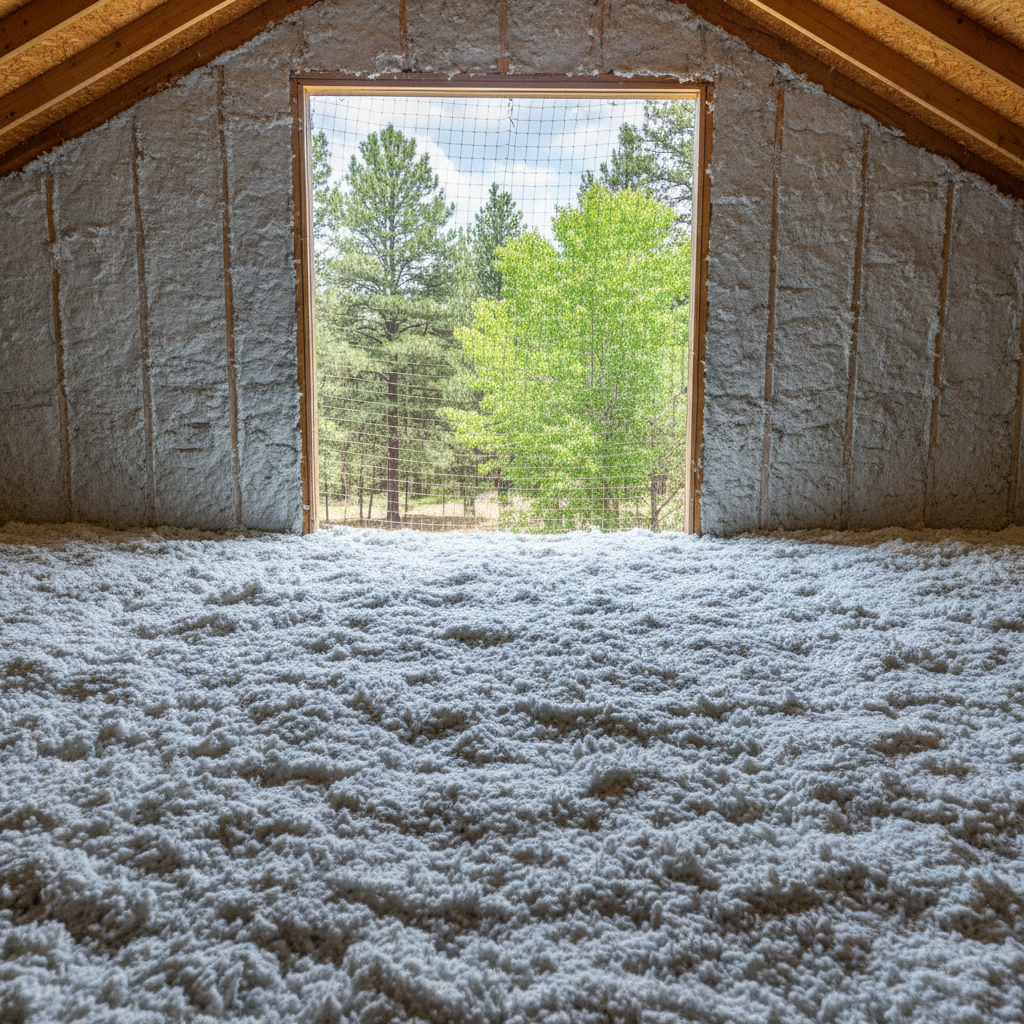
You've got blown-in insulation in your attic, walls, or maybe even your crawl space. That's a smart move for Flagstaff, especially with our wild temperature swings. But here's the thing: while it's tough stuff, it's not indestructible. A little attention goes a long way in making sure it keeps doing its job, saving you money and keeping your home comfortable for years to come.
Extending the Life of Your Blown-In Insulation
The biggest enemy of insulation isn't time; it's moisture and disruption. Keeping your insulation dry is, well, super important. That means making sure your roof is in good shape. I've seen countless attics where a small, unnoticed leak turned a perfectly good R-value into a soggy mess. Check your roof for missing shingles, cracked flashing around vents, or any signs of water getting in, especially after a heavy winter snowmelt or a monsoon downpour. If water gets in, it compacts the insulation. Once it's compacted, its effectiveness drops significantly. It's like trying to wear a wet, flattened down jacket – it just doesn't keep you warm.
Another big one is keeping people out of your attic unless absolutely necessary. Every time someone steps on or moves blown-in insulation, it gets compressed. That's why we always recommend using attic walkways or boards if you need to access things up there. If you've got HVAC ducts running through your attic, make sure they're sealed tight. Leaky ducts can blow conditioned air into the attic, which can lead to condensation issues, especially in the winter when the attic is cold. And that condensation can then settle right onto your insulation.
What Does Regular Maintenance Look Like?
Honestly, 'regular maintenance' for blown-in insulation isn't a huge chore. It's more about occasional checks. I tell folks to do a quick visual inspection of their attic once a year, maybe in the spring or fall when it's not too hot or too cold up there. Here's what you're looking for:
- Even Coverage: Does the insulation look uniformly distributed? Are there any bare spots, or areas that look significantly lower than the rest?
- Moisture: Look for dark spots, mold, or a musty smell. These are all red flags for water issues, no doubt about it.
- Pest Activity: Critters love a warm, cozy attic. Look for droppings, nests, or tunnels in the insulation. Mice, rats, and even squirrels can make a real mess and compact the insulation.
- Ventilation: Make sure your attic vents (soffit and ridge vents) aren't blocked by insulation. Good airflow helps prevent moisture buildup and keeps your attic cooler in the summer, which is a big deal when the sun's beating down on our Flagstaff roofs.
- Recessed Lights: If you have older recessed lights, make sure they're IC-rated (Insulation Contact). If they're not, there should be an air gap around them. If insulation is packed right up against a non-IC rated light, it's a fire hazard.
That's about it for your annual check-up. If everything looks good, you're golden.
Warning Signs of Problems
Beyond the visual check, your home will tell you if there's an issue. Pay attention to:
- Higher Utility Bills: This is often the first sign something's off. If your heating or cooling costs suddenly jump without a change in usage or weather, your insulation might be losing its effectiveness.
- Drafts or Uneven Temperatures: Are certain rooms noticeably colder in winter or hotter in summer? This could indicate areas where the insulation has settled, been disturbed, or is compromised.
- Ice Dams: If you're getting ice dams on your roof in winter, especially after a heavy snowfall, it's a classic sign of heat escaping from your attic and melting the snow, which then refreezes at the eaves. This isn't just bad for your roof; it means your insulation isn't doing its job.
- Pest Noises: Hearing scratching or scurrying in your walls or attic? You've got uninvited guests making themselves at home, and they're likely messing with your insulation.
- Musty Odors: A persistent musty or damp smell, especially in upper levels, can point to moisture issues in your attic or walls.
When to Call a Professional
Look, if you spot any of those warning signs, or if your annual check-up reveals something you're not comfortable dealing with, it's time to call in the pros. Don't try to DIY a major moisture problem or a pest infestation. That's how small issues become big, expensive ones.
You should definitely call us at Flagstaff Spray Foam Insulation if you notice:
- Significant compaction or bare spots in your insulation.
- Any signs of mold or extensive water damage.
- Evidence of a serious pest infestation. We can help with insulation removal and replacement once the pest issue is handled.
- Persistent high utility bills that you just can't explain.
- If you're planning a major renovation that involves opening up walls or your attic. It's a good time to assess and potentially upgrade your insulation.
We can come out, assess the situation, and give you an honest opinion on what needs to be done. Sometimes it's a simple fix; other times it might mean adding more insulation or addressing a bigger underlying issue. The goal is always to get your home back to being efficient and comfortable.