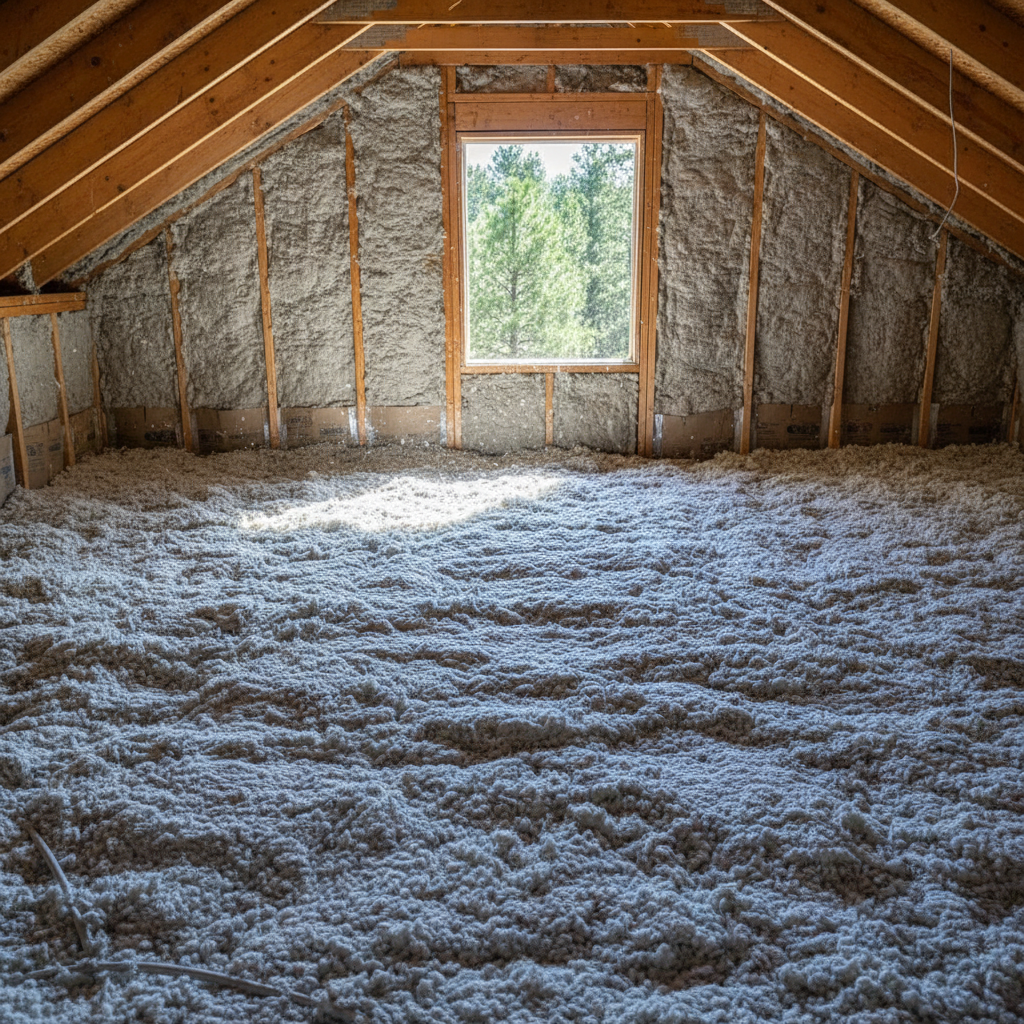
So, you're looking at blown-in insulation for your place here in Flagstaff. Smart move, honestly. It's a great way to boost your home's comfort and really cut down on those heating bills, especially with our long, cold winters. But I've seen enough projects go sideways over the years to know there are some common pitfalls folks fall into. Let's talk about what to watch out for so you don't end up regretting your decision.
Mistake #1: Not Knowing Your Insulation Type
This might sound basic, but you'd be surprised how often it happens. Blown-in isn't just one thing, you know? Most of the time, when people say 'blown-in,' they're thinking cellulose or fiberglass. Both are good, sure, but they're not the same, and they're not always right for every situation. Cellulose is often made from recycled paper, treated for fire resistance, and it's denser. Fiberglass is, well, fiberglass, and it's lighter. Each has its own good points and bad points regarding R-value per inch, how it handles moisture, and even how much it settles over time.
The big mistake? Not asking your contractor which one they're using and why. Or worse, letting them just blow in whatever they have on the truck without considering your specific needs. For example, if you've got an older home with some moisture issues in the attic, cellulose might not be the best choice without fixing the moisture problem first. You really need to understand what's going into your home.
Mistake #2: Ignoring Air Sealing First
This is probably the biggest blunder I see, and it's a huge waste of money. You can blow in a foot of the best insulation on the planet, but if your attic or wall cavities aren't properly air sealed first, you're basically just insulating a sieve. Air leaks are like tiny holes in a bucket – no matter how much water you pour in, it's still going to drain out. In your house, that means conditioned air escaping and unconditioned air sneaking in.
Think about it: the hot air from your living space rises and escapes through gaps around plumbing stacks, electrical wires, ceiling fixtures, and attic hatches. Cold air then gets sucked in from lower parts of your house. It's called the 'stack effect,' and it's a real energy killer. A good contractor, like us at Flagstaff Spray Foam Insulation, will always talk about air sealing before insulation. If they don't bring it up, that's a red flag. You're paying for comfort and efficiency, and air sealing is half the battle, wouldn't you say?
Mistake #3: Focusing Only on R-Value
Everyone talks R-value, and yes, it's important. It measures thermal resistance, or how well the insulation resists heat flow. Higher R-value generally means better insulation. But it's not the only thing that matters. A super high R-value product won't perform if it's installed poorly, compressed, or if, as we just talked about, your home isn't air sealed.
I've seen folks get fixated on hitting a certain R-value number, but they ignore the practicalities. For instance, if you're blowing insulation into wall cavities, you're limited by the depth of the cavity. You can't just keep adding more to get a higher R-value if it's going to compress the material and reduce its effectiveness. It's about the whole system, not just one number. Ask about the installed R-value, not just the product's R-value per inch, and how they plan to achieve consistent coverage.
Mistake #4: Not Checking for Proper Ventilation
This is critical, especially in our climate where we get significant temperature swings and sometimes heavy snow loads. If you're insulating an attic, you absolutely need to ensure there's proper ventilation. Insulation slows heat transfer, but ventilation helps remove heat and moisture from the attic space. If you seal up your attic super tight with insulation but don't have adequate soffit and ridge vents, you're asking for trouble.
You could end up with moisture buildup, which can lead to mold, rot, and even ice dams forming on your roof during winter. Ice dams are a real problem in Flagstaff, causing water to back up under shingles and into your home. A good insulation job works with your ventilation system, not against it. Your contractor should be assessing your current ventilation and making recommendations if it's insufficient. Don't let them just bury your soffit vents with new insulation; that's a common rookie mistake.
Mistake #5: Going with the Lowest Bid Without Due Diligence
Look, I get it. Money matters. Everyone wants a good deal. But when it comes to insulation, the cheapest bid often ends up being the most expensive in the long run. I've seen too many homeowners here in Flagstaff hire a fly-by-night crew because they were a few hundred bucks cheaper, only to have to pay someone else (like us) to come fix the shoddy work a year or two later.
What are you really getting for that low price? Are they cutting corners on material quality? Are they skipping crucial steps like air sealing? Are they even insured? Ask for references, check their reviews, and make sure they're licensed and insured to work in Arizona. A reputable contractor will provide a detailed quote, explain their process, and stand by their work. Don't be afraid to ask tough questions. It's your home and your money, so protect both.
Getting blown-in insulation is a solid investment in your home's comfort and efficiency. Just make sure you're going into it with your eyes wide open, avoiding these common mistakes. You'll be glad you did when those utility bills come in and your home feels consistently comfortable, even when it's twenty below outside.