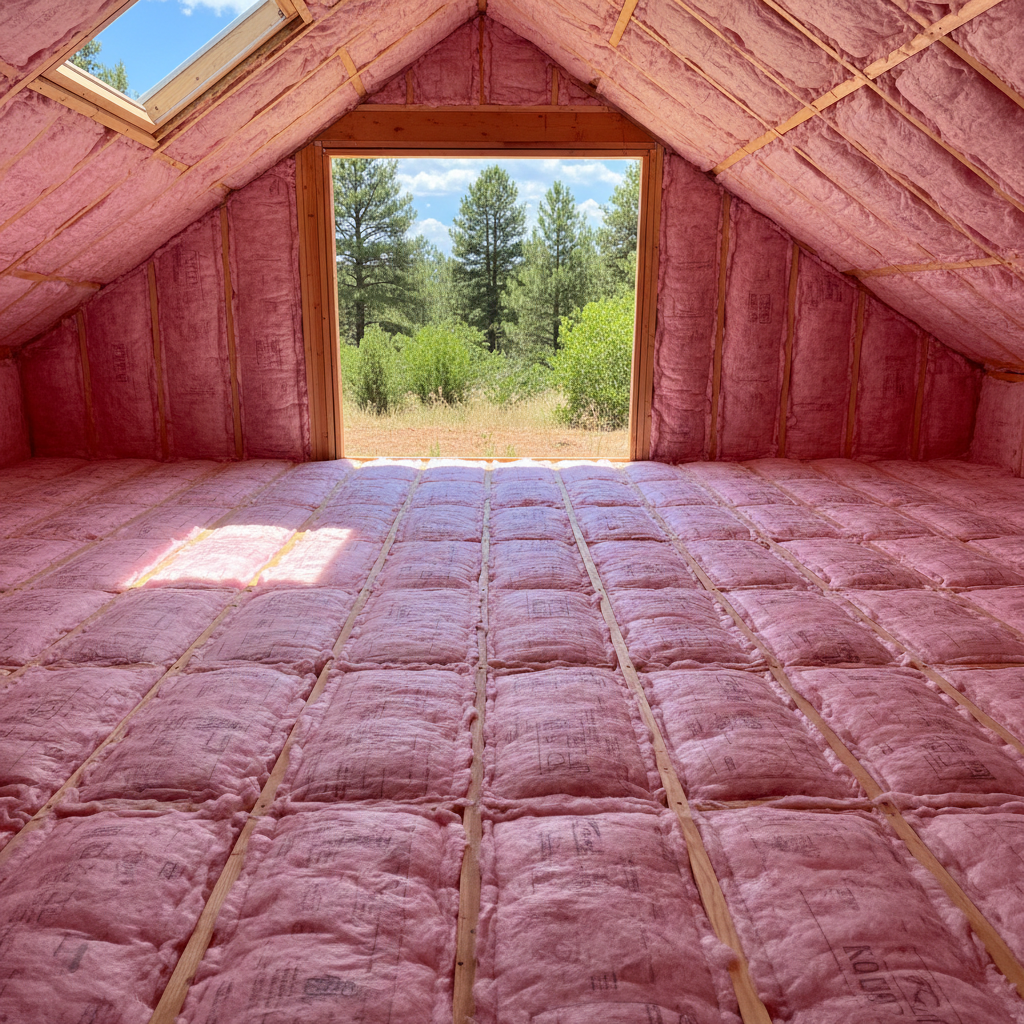
So, you're looking at batt insulation for your place. Maybe you've got an older home in the Coconino Estates that's just not keeping warm, or you're finishing a basement and want to do it right. Batt insulation is a solid choice, but like any home improvement, it's not something you just jump into. You need a plan. Here's what I tell folks when they're getting ready for a batt insulation project.
Your Project Timeline: What to Expect
Let's talk about how long this whole thing takes. From your first thought to the last piece of insulation going in, it's usually a few weeks, sometimes more, depending on how busy contractors are and the size of your job.
- Initial Research & Calls (1-2 weeks): You're doing this part right now, aren't you? You'll call a few places, get some general info.
- On-Site Estimate (1-3 days after contact): A good contractor will come out, take a look at your home, measure everything, and talk through your options. This isn't just about batts; sometimes a hybrid approach with spray foam in certain areas, like rim joists, makes more sense for our cold Flagstaff winters.
- Quote Review & Decision (1 week): You'll get a detailed quote. Don't rush this part. Compare bids, ask follow-up questions. Make sure you understand what's included and what's not.
- Scheduling the Work (1-4 weeks out): Once you've picked your contractor, you'll get on their schedule. Good crews are often booked a bit in advance, especially during peak seasons like fall or early spring.
- Installation Day(s) (1-3 days): For most homes, batt insulation can be installed pretty quickly. A small attic might be a day, a whole house could be two or three.
So, from start to finish, you're probably looking at anywhere from 3 to 8 weeks. Don't let anyone tell you it's a rush job, especially if they're trying to push you into something. Quality takes a little time to plan.
What Happens During Installation?
When the crew shows up, here's the general rundown:
First, they'll protect your home. That means laying down drop cloths, especially if they're working in attics or crawl spaces. They'll need clear access to the areas getting insulated. If it's an attic, they'll bring up rolls or batts of fiberglass or mineral wool. For walls, they might need to remove drywall if it's an existing home, or they'll be working in open stud bays if it's new construction or a remodel.
They'll cut the batts to fit snugly between joists or studs. 'Snugly' is the key word here. No gaps, no compressing it too much. If you compress it, you lose R-value, and that defeats the purpose. They'll work carefully around electrical wires, pipes, and other obstructions. Sometimes, they'll use a vapor barrier, depending on the location and local building codes. Here in Flagstaff, with our dry climate, a vapor barrier might not be needed in all applications, but a good contractor will know when and where to use one.
After the batts are in, they'll clean up. A good crew leaves your place looking like they were never there, except for the new, warm insulation.
How to Prepare Your Home
You can make things a lot easier for yourself and the crew. A little prep goes a long way:
- Clear the Path: Make sure the crew has a clear path to the access points – attic hatches, basement stairs, whatever it is. Move furniture, boxes, anything that's in the way.
- Protect Valuables: If there are fragile items near the work area, move them. Dust and debris are inevitable, even with careful work.
- Consider Your Pets: Keep pets secured or out of the house on installation day. It's safer for them and less stressful for everyone.
- Ventilation: If they're doing any cutting inside, there might be some dust. Talk to your contractor about ventilation, especially if you have allergies.
- Utilities: Make sure the crew knows where your main electrical panel is, just in case.
It's your home, so you know it best. Think about anything that might get in the way or could be damaged, and address it beforehand.
Questions to Ask Before You Sign That Contract
Don't just sign on the dotted line without asking some tough questions. This is your money and your home's comfort we're talking about.