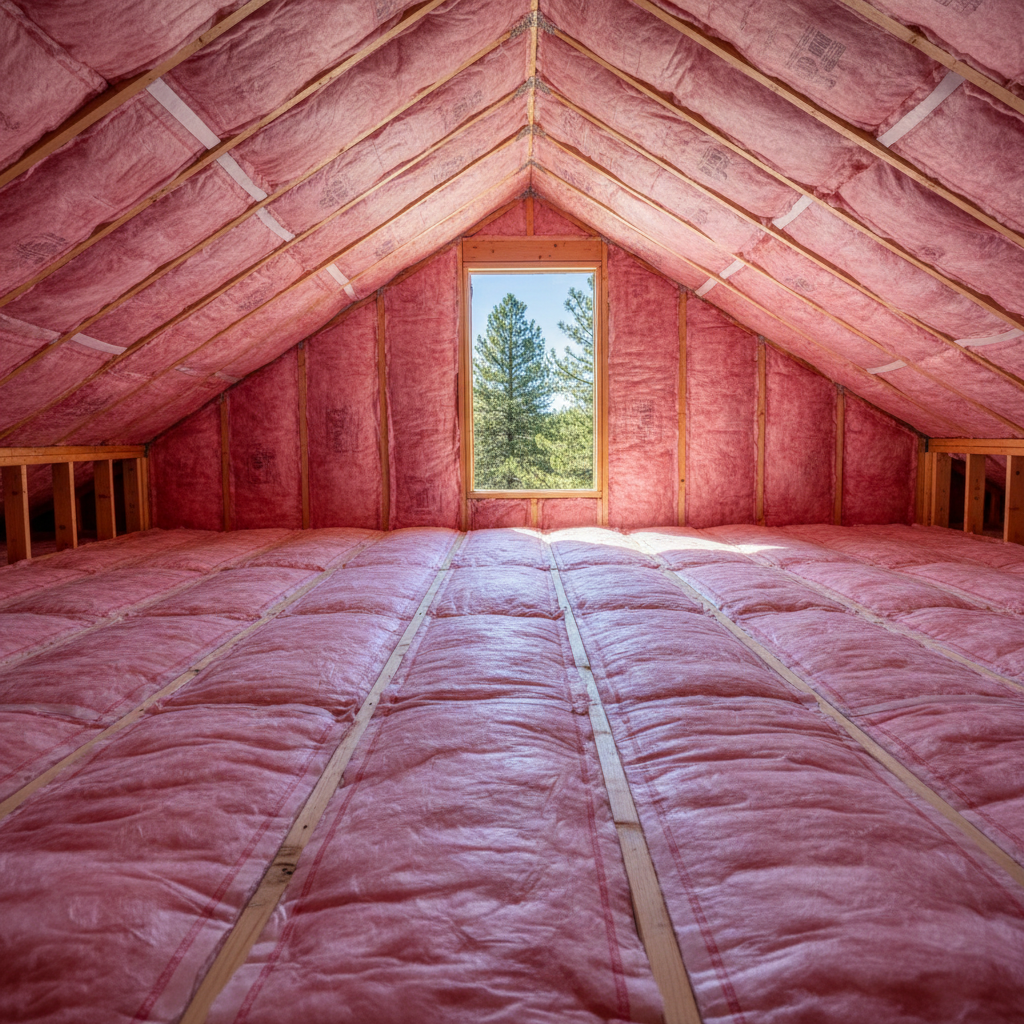
Batt Insulation Maintenance: Keeping Your Flagstaff Home Cozy
So, you've got batt insulation in your Flagstaff home. Maybe you just had it installed, or maybe it's been there since the house was built. Either way, you might be thinking, "Great, that's done, I never have to think about it again." Well, not exactly. While batt insulation is pretty low-maintenance, ignoring it completely can cost you comfort and cash down the line. As someone who's seen a lot of attics and crawl spaces around town, I can tell you a little preventative care goes a long way.
Extending the Life of Your Batt Insulation
The good news is, extending the life of your batt insulation isn't rocket science. It mostly comes down to protecting it from its enemies: moisture, pests, and compression. If you keep those three things in check, your insulation can easily last for decades.
- Keep it Dry: This is probably the biggest one, especially with our monsoon season. Water is batt insulation's kryptonite. If it gets wet, it clumps, loses its R-value, and can even become a breeding ground for mold. Make sure your roof is in good shape, gutters are clean and draining away from the foundation, and any pipes in your attic or walls aren't leaking. Even small drips can cause big problems over time.
- Pest Control: Rodents, birds, and insects love to make homes in insulation. They tunnel through it, compress it, and leave behind droppings that can damage its effectiveness and create odors. Seal up any entry points to your attic or crawl space – even small gaps. You'd be surprised what a mouse can squeeze through.
- Avoid Compression: Batt insulation works by trapping air. If it's squished down, it can't trap air effectively, and its R-value drops. Don't store heavy items directly on top of insulation in your attic. If you're walking around up there, make sure you're stepping on joists, not directly on the insulation.
Regular Maintenance Checks
You don't need to be up in your attic every weekend, but a quick check every year or two can catch small issues before they become big ones. I usually recommend doing it in the spring or fall when the attic isn't scorching hot or freezing cold.
- Visual Inspection: Look for any signs of damage. Are there dark stains on the insulation, indicating a leak? Are there animal droppings or nests? Is the insulation sagging or compressed in spots?
- Check for Gaps: Sometimes, especially around vents, pipes, or electrical boxes, the insulation can shift or get pulled away, leaving gaps. Even small gaps can let a lot of heat escape or enter. Gently push it back into place if it's shifted.
- Ventilation Check: Make sure your attic vents aren't blocked by insulation. Proper ventilation is crucial for preventing moisture buildup and keeping your attic temperature regulated, which also helps your insulation perform better.
Warning Signs of Trouble
Your house will often tell you when something's wrong. Pay attention to these signs:
- Higher Energy Bills: If your heating or cooling bills suddenly jump without a change in usage or weather, it could be a sign your insulation isn't doing its job.
- Uneven Temperatures: Are some rooms noticeably colder or hotter than others? This can point to insulation issues in those specific areas.
- Drafts: Feeling drafts, especially near interior walls or ceilings, can mean there are gaps in your insulation or air leaks that need to be sealed.
- Visible Damage: Stains, mold growth, or a strong musty odor in your attic or crawl space are clear indicators of moisture problems.
- Pest Activity: Hearing scratching or scurrying noises in your walls or attic, or finding droppings, means you've got uninvited guests making a mess of your insulation.
When to Call a Professional
Look, I'm all for DIY when it makes sense. But some jobs are best left to the pros. Here's when you should definitely give someone like us a call:
- Major Water Damage: If you've had a significant leak or flood, and a large section of insulation is soaked, it's probably beyond simple drying. You'll likely need to remove and replace it to prevent mold and maintain efficiency.
- Extensive Pest Infestation: If critters have really made a home in your insulation, it's not just about patching holes. You might need professional cleaning, sanitization, and re-insulation, possibly even air sealing to prevent future invasions.
- Mold Growth: Never mess with mold without proper protection and knowledge. It can be a health hazard. A professional can safely remove contaminated insulation and address the underlying moisture issue.
- Significant Gaps or Settling: If you're seeing widespread areas where your batt insulation has settled or left large gaps, it might be time for an insulation top-up or replacement. We often see this in older homes, especially those built before the 80s, where the R-values just aren't up to Flagstaff's cold winters.
- You're Unsure: If you're not comfortable getting into your attic or crawl space, or you're just not sure what you're looking at, don't hesitate to call. We can do an inspection and give you an honest assessment. Sometimes, it's a simple fix; other times, it might be a good opportunity to consider upgrading to something like spray foam for a truly airtight seal, which is what we specialize in at Flagstaff Spray Foam Insulation.
Taking care of your batt insulation isn't glamorous, but it's a critical part of keeping your home comfortable and your energy bills reasonable. A little attention now can save you a lot of headaches and money later.